Blog
How to identify the quality of terry towels?

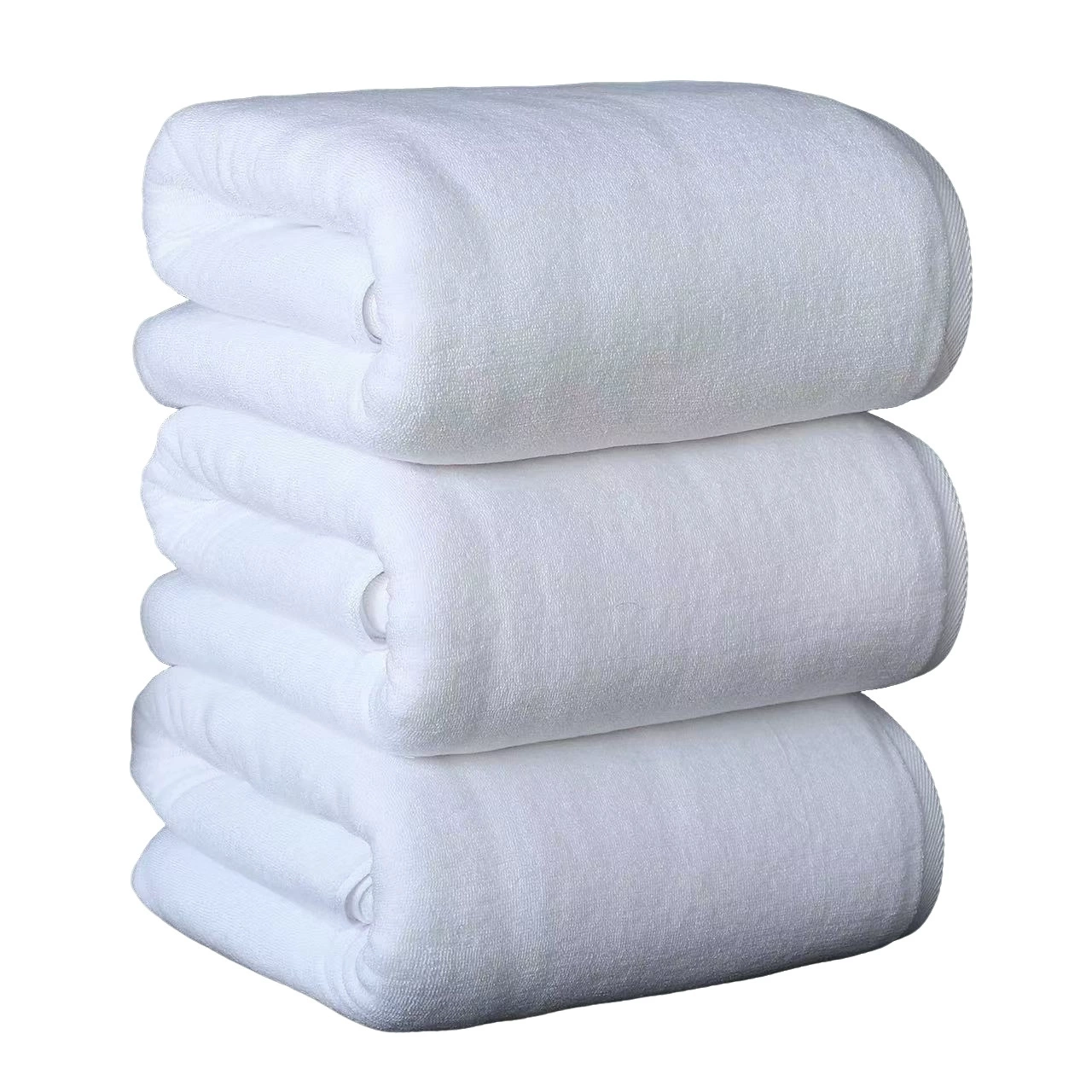
Terry towels are a thick cloth with loops/piles on both sides to increase absorbency of water.
First we can judge the quality of towels from they extrinsic value. I suggest they are softness, absorbency and durability.
1. Softness
Softness determines how comfortable a towel feels against the skin.
High-quality towels are soft because of:
- Fiber length: Long-staple cotton (e.g., Egyptian, Turkish, Pima) produces smoother yarns with fewer loose ends, resulting in a softer feel.
- Yarn construction: Zero-twist or low-twist yarns feel fluffier and gentler because the fibers are less tightly wound.
- Finish and processing: Better manufacturing avoids harsh chemical treatments that can make towels feel stiff.
⚠️ Note: Artificial softness from fabric softeners may feel pleasant initially but often reduces absorbency and fades after washing.
2. Absorbency
Absorbency reflects how effectively a towel dries the body.
A towel’s absorbency depends on:
- Material: Natural fibers like cotton and bamboo absorb water far better than synthetic fibers.
- Loop density: Dense terry loops increase surface area, allowing the towel to trap and hold more moisture.
- GSM (grams per square meter): Medium to high GSM towels (around 500–700 GSM) generally absorb more water due to thicker fabric.
A good towel absorbs water quickly instead of pushing it around on the skin.
3. Durability
Durability determines how well a towel holds up after repeated use and washing.
Key factors affecting durability:
- Fiber strength: Long-staple cotton fibers resist breakage and pilling.
- Weave quality: Tight, uniform weaving prevents loops from loosening or snagging.
- Edge finishing: Double-stitched or reinforced hems reduce fraying and shape distortion.
- Colorfast dyes: High-quality dyes prevent fading and bleeding over time.
A durable towel maintains its softness, absorbency, shape, and color even after many wash cycles.
4. Safety and Environmental Influence
The last but most important character is safety.
Towel go through many processes include chemical process like bleach or dyeing.
So residual of chemical must be neutral, and PH Value must about 7.
The dye agent must be eco-friendly, and skin-friendly.
In Summary
A high-quality towel:
- Feels soft due to superior fibers and yarn construction
- Dries efficiently because of excellent absorbency
- Lasts longer thanks to strong fibers and solid durability
Together, these three characteristics define whether a towel is truly good quality or merely attractive at first glance.
Importance of Longer Fibers
- Strength: Longer fibers have more surface area for overlapping, allowing them to be spun into stronger yarns with less twist.
- Softness: Fabrics made from long-staple cotton (like Supima) are softer because there are fewer fiber ends exposed on the surface.
- Durability: Longer fibers resist pilling and maintain their shape better over time compared to short-staple alternatives.
The origin of cotton sometime is irrelevant, as towel manufacturer we only care about the cotton fiber length.
Cotton fiber length, also known as staple length, is a critical quality indicator that determines the strength, fineSness, and processing efficiency of the resulting yarn. While the majority of global production consists of medium-staple varieties, lengths can range from under 10 mm to over 50 mm depending on the species and growing conditions.
Our terry looms are high-speed air jet loom, so the fiber strength is very crucial to continuity of our production.